200

Years of Enterprise & Legacy

The Charles C. Trowbridge House

1380 East Jefferson Avenue · Detroit, Michigan · Est. 1826

National Register of Historic Places · Michigan State Historic Site
The Charles C. Trowbridge House at 1380 East Jefferson Avenue, Detroit

The Trowbridge House — Detroit's oldest building, photographed from East Jefferson Avenue.

A House That
Built a City

In 1826, a twenty-six year old from Albany, New York named Charles Christopher Trowbridge built the finest frame house in the Michigan Territory. He put it on open farmland along the River Road, well outside the city walls. Two hundred years later, his home at 1380 East Jefferson Avenue is still standing. It is the oldest building in Detroit.


The house has outlasted cholera epidemics, world wars, the tumultuous auto industry, and Detroit's long reinvention. It was here before Michigan was a state. Entrepreneurs built it, entrepreneurs saved it, and entrepreneurs work in it today.
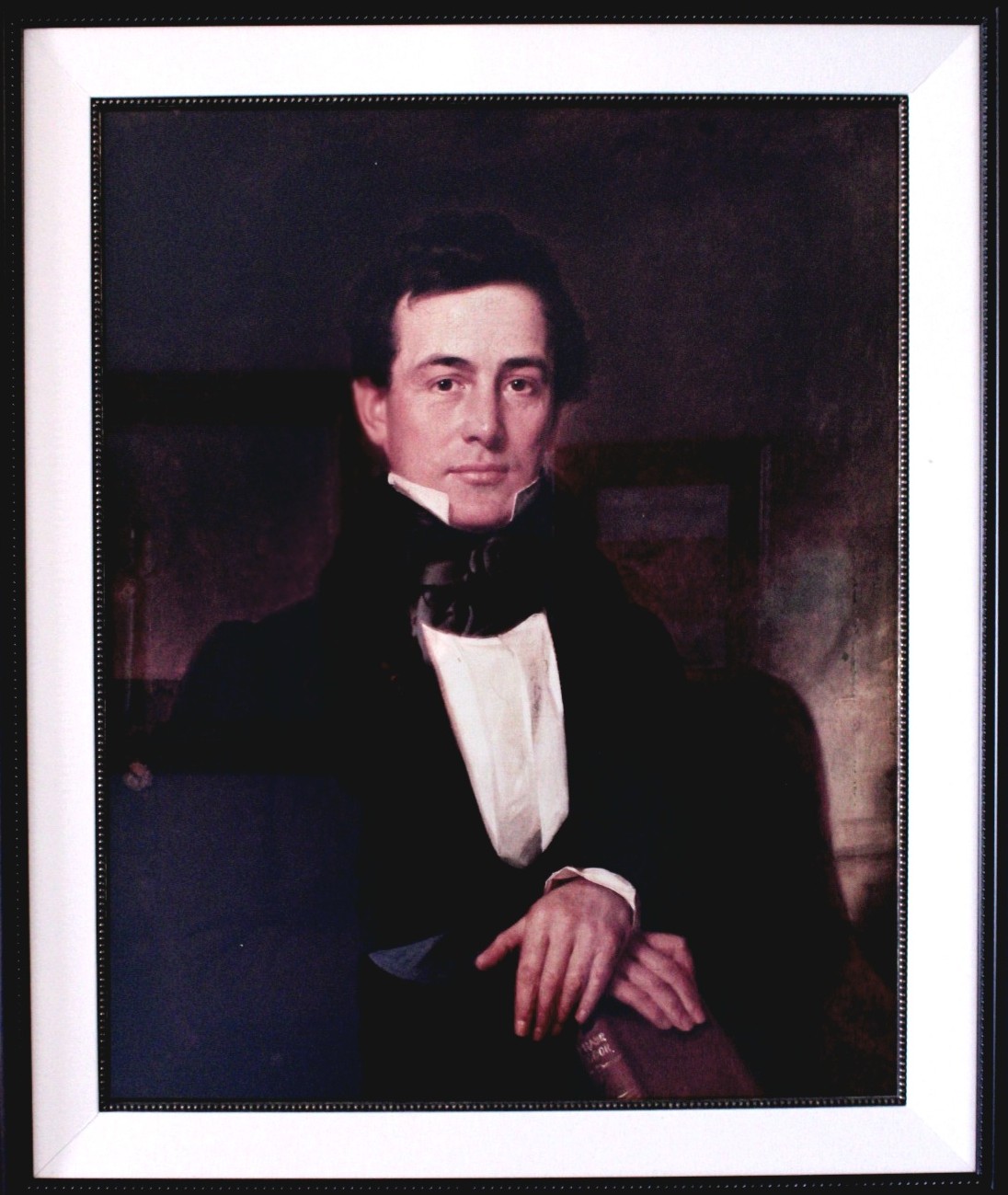
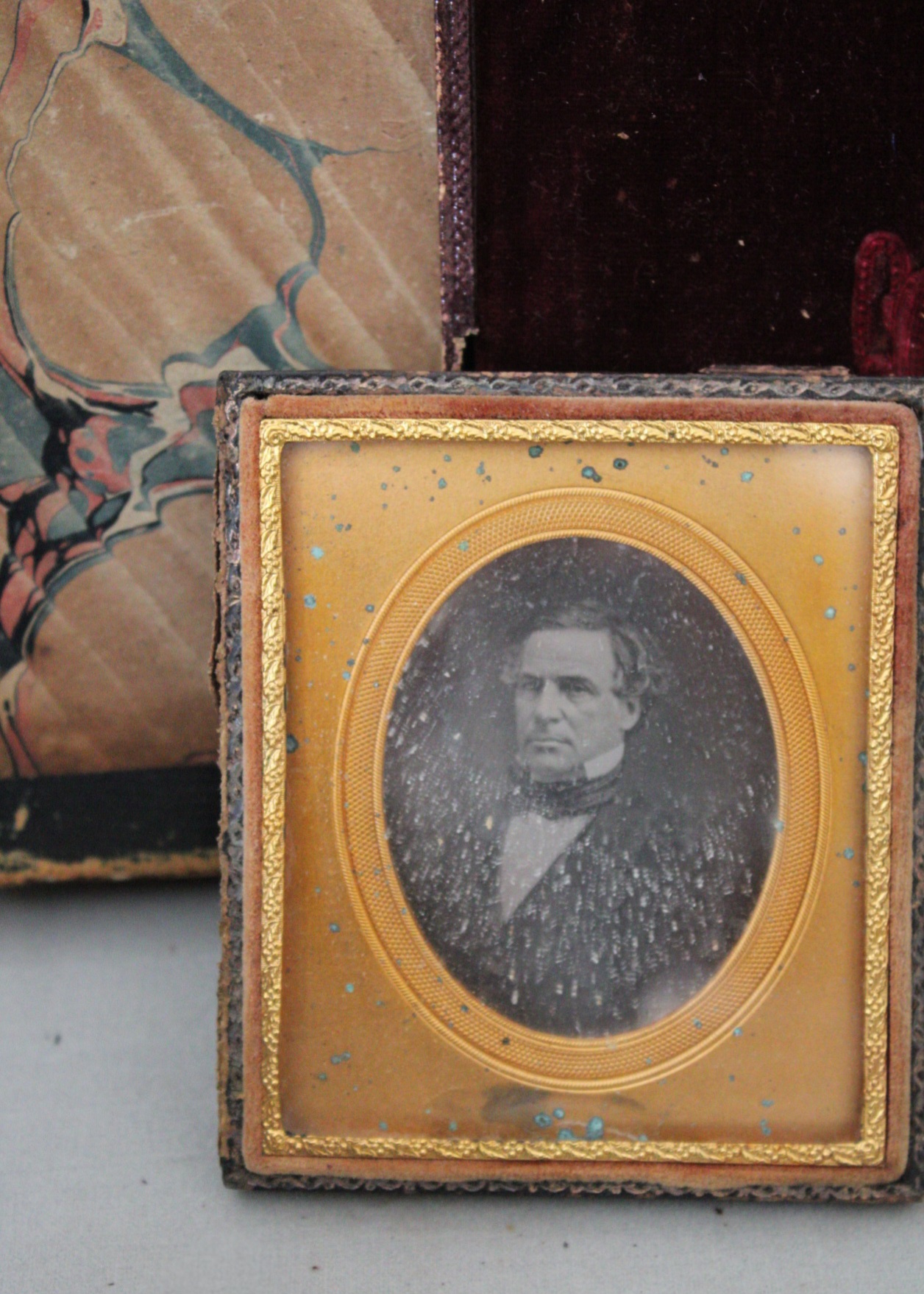
At the time of its construction, the Trowbridge House was considered the finest frame house in the Michigan Territory.

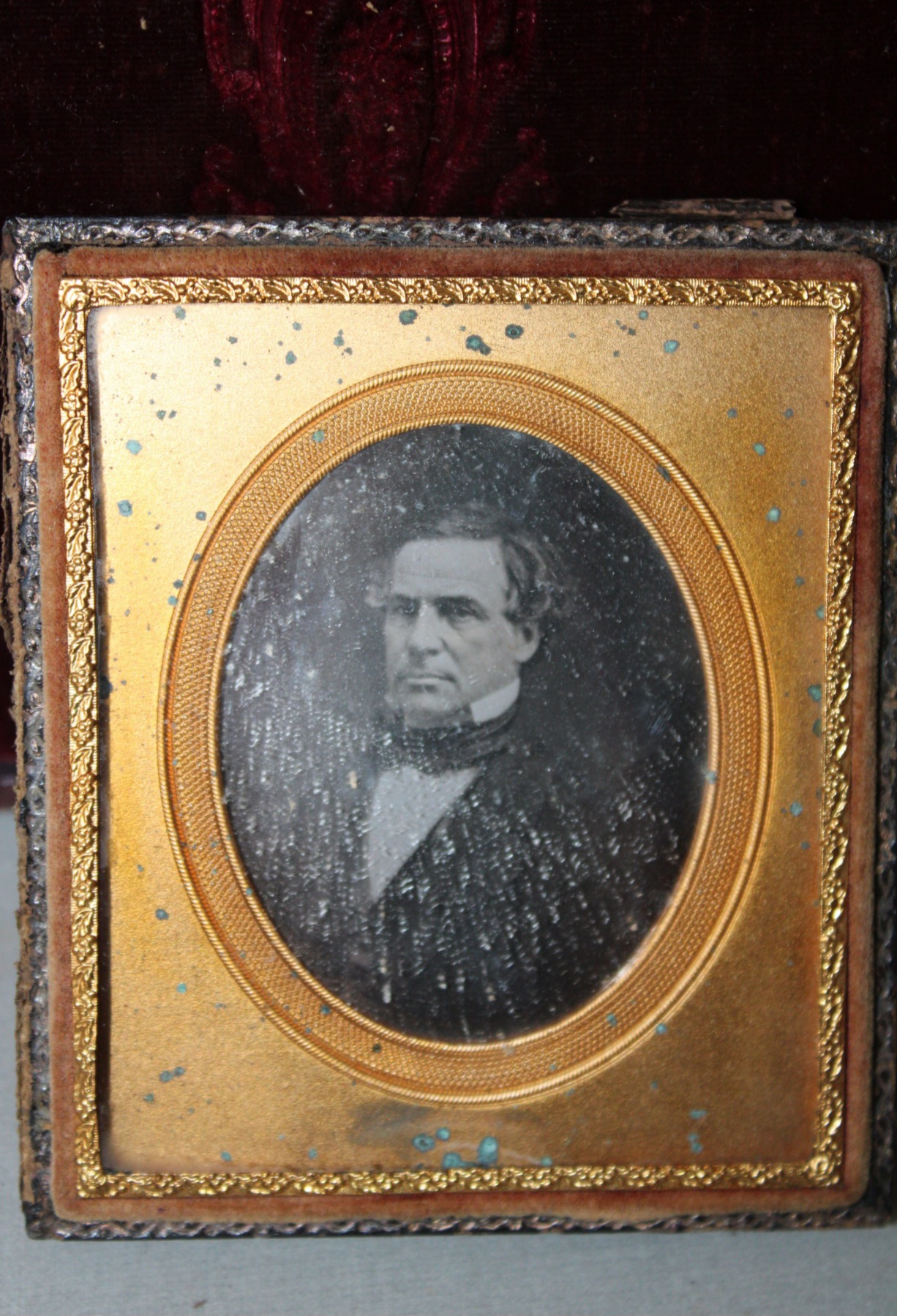
Charles Christopher Trowbridge

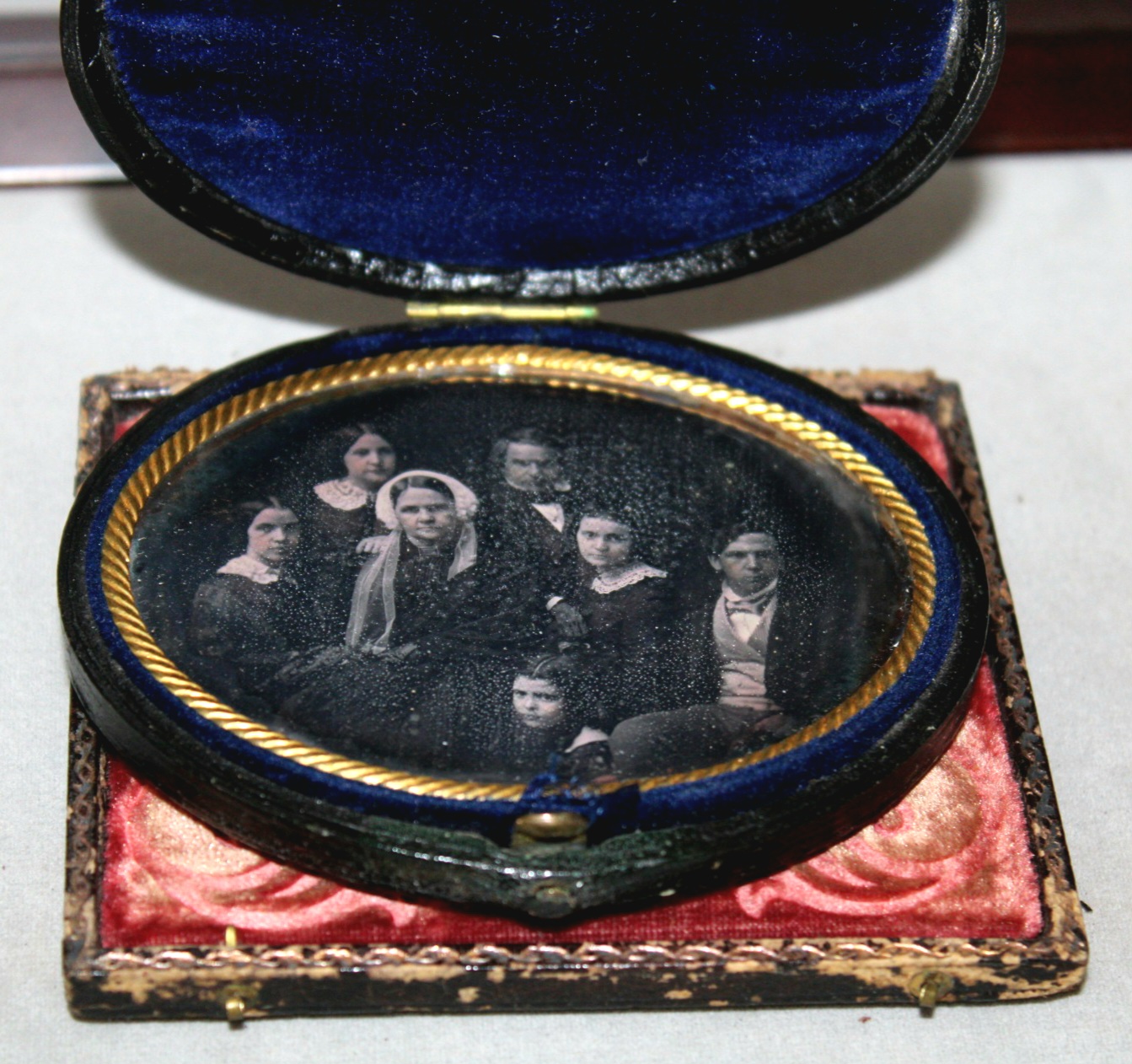
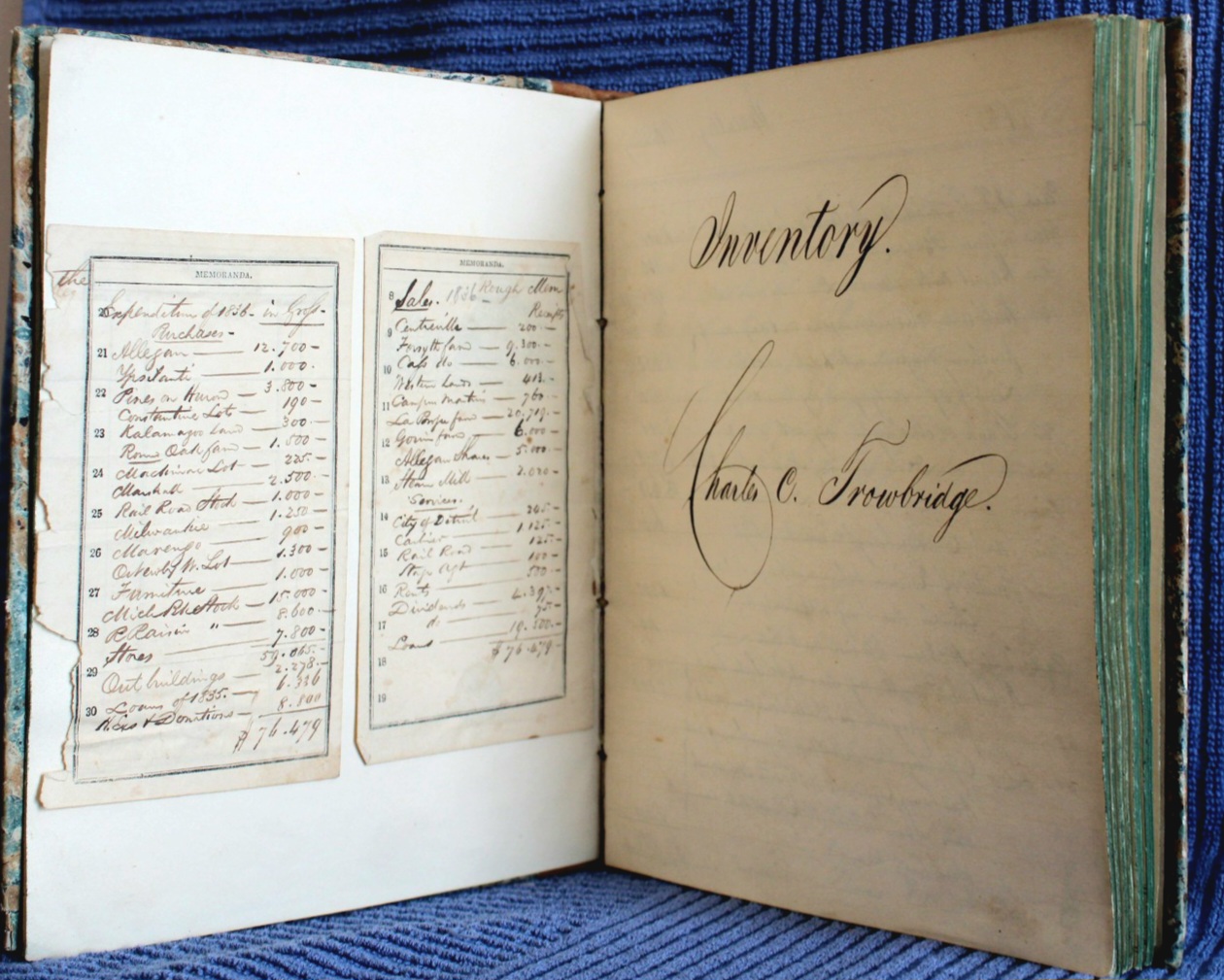
Trowbridge was born in 1800 in Albany, New York. He arrived in Detroit at nineteen and spent the next six decades as a U.S. Deputy Marshal, Great Lakes explorer, Native American interpreter, bank president, railroad executive, alderman, mayor during the 1834 cholera epidemic, gubernatorial candidate, and University of Michigan regent. In 1826 he married Catherine Sibley, daughter of Detroit's first mayor, and built this house on farmland outside the city walls. He lived here for 57 years. They are buried at Elmwood Cemetery.

57
Years in Residence
1834
Mayor of Detroit
$2,500
Original Cost to Build
200
Years Standing

Biographical Sketch of Charles C. Trowbridge

Read by Hon. James V. Campbell at the annual meeting of the Michigan Pioneer Society, June 13, 1883. This is the definitive contemporary account of Trowbridge's life, written shortly after his passing by a man who knew him personally.

Pioneer Collections: Report of the Pioneer Society of the State of Michigan, 1883, pp. 478–491

Read Full Document

A Timeline of the Trowbridge House & Detroit

From frontier farmland to the modern Motor City: the milestones of a house, a family, and a city intertwined.

City of Detroit
1805
The Great Fire of Detroit
Nearly the entire city burns to the ground. Judge Augustus Woodward begins the replanning of Detroit with wide boulevards and a new vision.
City of Detroit
1818
Walk-in-the-Water Steams In
The first steamship on the Great Lakes arrives in Detroit, transforming the city from frontier outpost to commercial gateway.
Trowbridge
1819
Trowbridge Arrives in Detroit
Nineteen-year-old Charles C. Trowbridge arrives in Detroit to work under Major Thomas Rowland as Deputy U.S. Marshal. The population of Detroit is roughly 1,500 people.
Trowbridge
1820
The Lewis Cass Expedition
Trowbridge joins the Lewis Cass expedition exploring the territory between the Great Lakes and the headwaters of the Mississippi River, serving as clerk and assistant topographer.
Trowbridge
1825
President, Bank of Michigan
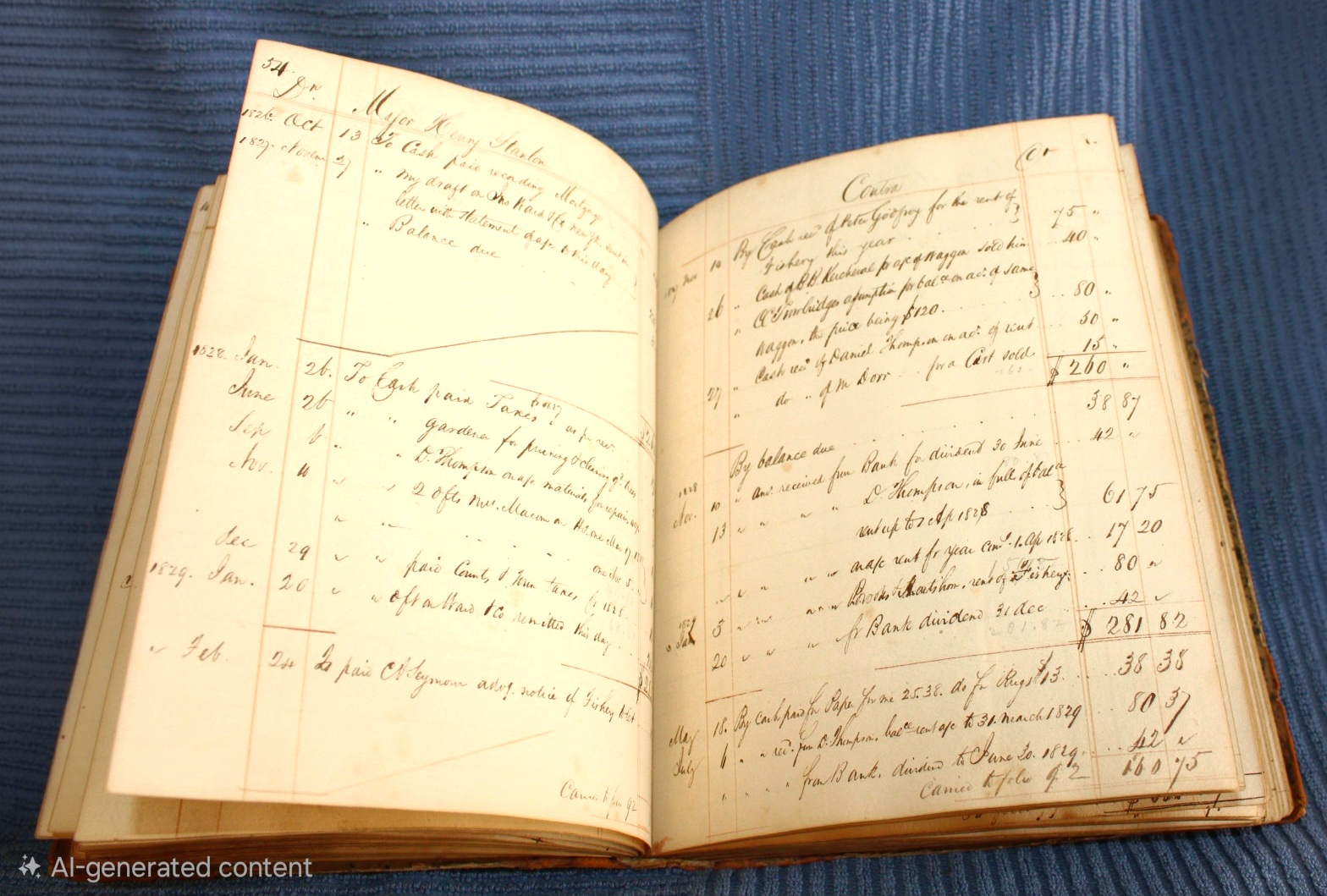
Trowbridge is appointed cashier (and later president) of the Bank of Michigan, one of the territory's most important financial institutions. He purchases the farmland that will become the site of his famous house.
Trowbridge
1826
★ The House Is Built
Trowbridge builds his home for $2,500 on the former Mullett Farm, a French land grant along the river. Originally a five-bay-wide Federal structure in the Greek Revival style, it is immediately considered the finest frame house in the Michigan Territory. That same year, he marries Catherine Whipple Sibley.
Trowbridge
1834
Mayor During Cholera Epidemic
After serving as alderman in 1833, Trowbridge is elected mayor of Detroit and serves through a devastating cholera epidemic before resigning. He runs for governor in 1837 as the Whig candidate, narrowly losing to Stevens T. Mason.
City of Detroit
1837
Michigan Becomes a State
Michigan is admitted as the 26th state of the Union. Detroit serves as the state capital until 1847.
Trowbridge
c. 1850
Brick Addition
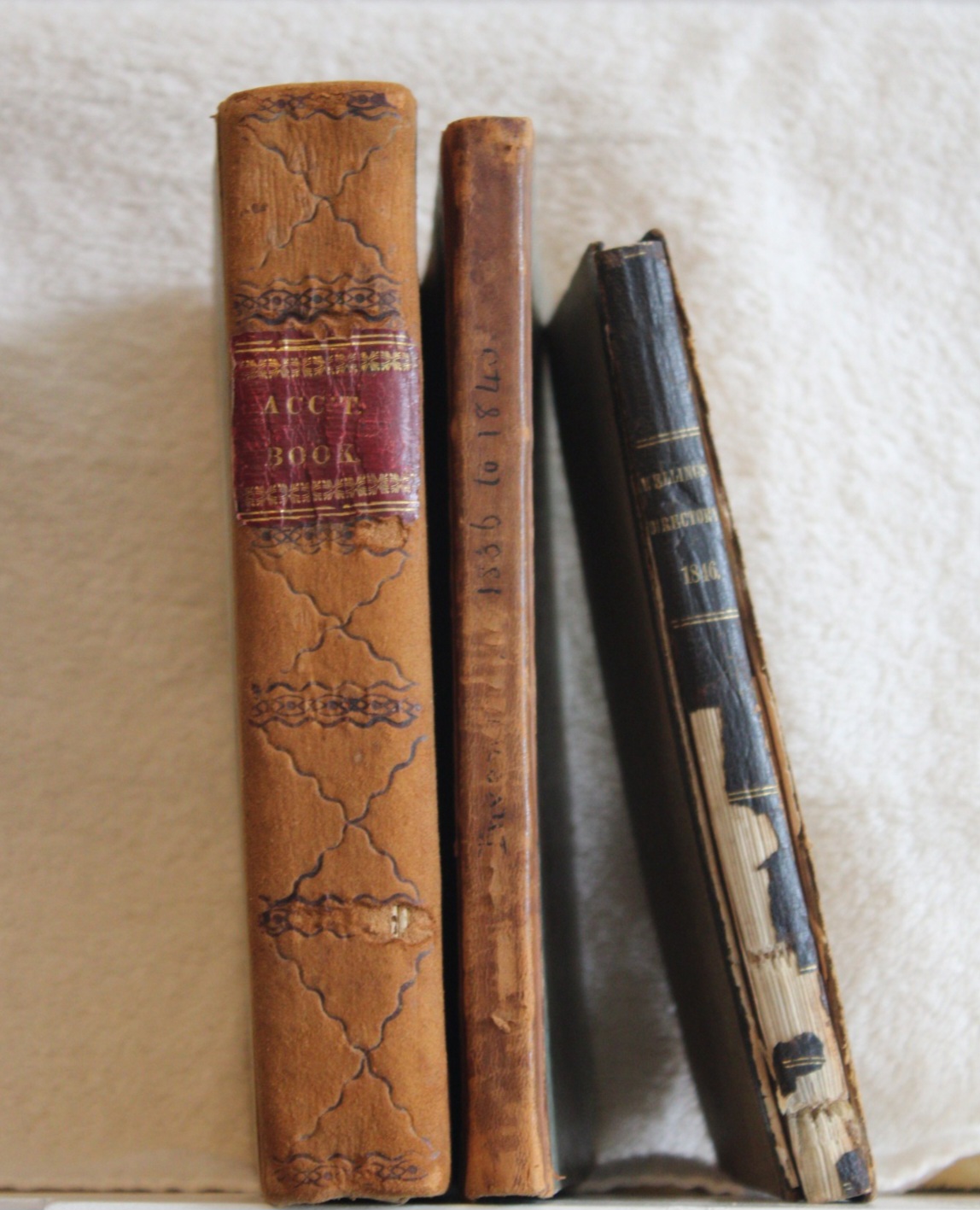
Trowbridge adds a brick addition to the rear of the house and builds a brick carriage house behind the property. The carriage house, which still stands today, features Queen Anne Victorian details including a large front-facing gable. He continues to lead the Michigan State Bank and takes the helm of the Detroit & Milwaukee Railway.
Trowbridge
1883
Trowbridge Passes Away
Charles C. Trowbridge dies of pneumonia on April 3, 1883, after 57 years in the house he built and more than six decades as a pillar of Detroit. He and Catherine are buried at Elmwood Cemetery.
Trowbridge
1889
House Downsized & Updated
The eastern two bays are removed, reducing the house from five bays to three. Victorian elements are added, including the distinctive front bay window with fish-scale shingled pediment. An apartment house is built on the removed section's site.
City of Detroit
1896
Henry Ford's Quadricycle
Henry Ford test-drives his first automobile, the Quadricycle, through the streets of Detroit, sparking the revolution that will define the city for the next century.
City of Detroit
1903
Ford Motor Company Founded
Henry Ford incorporates the Ford Motor Company. Detroit begins its transformation into the Motor City, attracting workers and capital from around the world.
Trowbridge
1929
Artist Roman Kryzanowski
Detroit artist and Scarab Club co-founder Roman Kryzanowski, who had been renting studio space on the property, passes away at the Trowbridge House.
Trowbridge
1936
Converted to Rooming House
During the Great Depression, the Trowbridge family converts the house to a rooming house.
Trowbridge
1942
Sold to Marie Cavanaugh
The Trowbridge family sells the house to Marie Cavanaugh, who converts it back to a single-family residence. The house leaves the Trowbridge family for the first time in 116 years.
Trowbridge
1974
Michigan State Historic Site
The Trowbridge House is designated a Michigan State Historic Site, recognizing its importance as Detroit's oldest surviving building.
Trowbridge
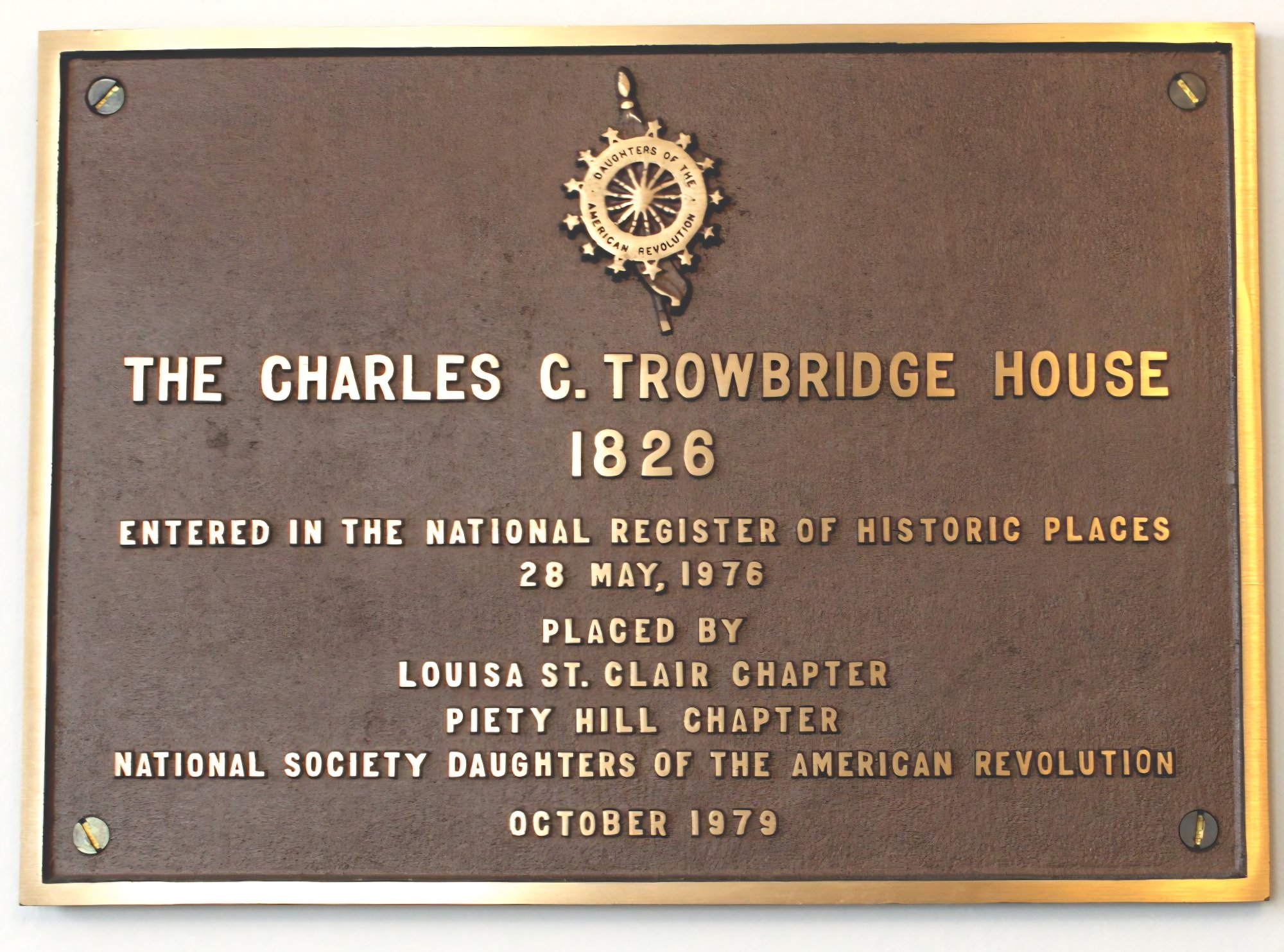
1976
National Register of Historic Places
The house is listed on the National Register of Historic Places, securing federal recognition for this irreplaceable piece of American history.
City of Detroit
1977
Renaissance Center Opens
The Renaissance Center opens just blocks from the Trowbridge House, a bold statement of faith in Detroit's future along the riverfront corridor.
◆ Stewardship
1981
Stanley Dickson Acquires the House
Stanley B. Dickson Jr. acquires the Trowbridge House and transforms it into a professional office, years before Detroit's modern revival had a heartbeat. He founds Trowbridge Law Firm, P.C. and begins decades of careful stewardship.
◆ Stewardship
1993
Bosquett Building Acquired
Needing more space, Dickson purchases the neighboring 1899 Bosquett Building, expanding the campus while preserving the Trowbridge House's character.
200th Anniversary
2026
★ Bicentennial
The Trowbridge House celebrates 200 years. Still standing, still home to entrepreneurs, still the oldest building in Detroit. From a frontier home on farmland to the headquarters of multiple thriving businesses, the spirit of enterprise endures.

The Dickson Family

Stanley B. Dickson Jr. bought the Trowbridge House in 1981. He expanded the campus in 1993 by purchasing the neighboring Bosquett Building, and over four decades has run more than 100 business entities from this address. The Detroit Historical Society helped pick period-accurate paint colors. The original brick carriage house from 1850 still stands. A portrait of Charles Trowbridge hangs in the hallway.


Today his sons, William and Daniel, work alongside him. It is a family house, same as it was when Trowbridge built it.

"The ambiance here is much different than that found in a glass office building. It still feels like a home."

— Stanley B. Dickson Jr.

An Entrepreneur's House.
Then and Now.

Trowbridge was an entrepreneur. He ran banks, built railroads, developed land, and did it all from this house on East Jefferson. Two hundred years later the Dickson family is doing the same thing from the same rooms. The work is different but the impulse is identical: see an opportunity, take the risk, build something that lasts.

1826
House Built
2026
Bicentennial